
“There was once a young man who dreamed of reducing the world to pure logic. Because he was a very clever young man, he actually managed to do it. When he had finished his work, he stood back and admired it. It was beautiful! A world purged of imperfection and indeterminacy. Countless acres of gleaming ice stretching to the horizon. So the clever young man looked around the world he had created and decided to explore it. He took one step forward and fell flat on his back.
You see, he had forgotten about friction! The ice was smooth and level and stainless, but you couldn’t walk there. So the clever young man sat down and wept bitter tears. But as he grew into a wise old man, he came to understand that roughness and ambiguity aren’t imperfections, they are what make the world turn. He wanted to run and dance. And the words and things scattered upon the ground were all battered and tarnished and ambiguous. The wise old man saw that that was the way things were. Something in him was still homesick for the ice, where everything was radiant and absolute and relentless. Though he had come to like the idea of the rough ground, he couldn’t bring himself to live there. So now he was marooned between earth and ice, at home at neither.” – From the Terry Eagleton script for the movie “Wittgenstein”.

The key to real AI might be imagination
The key to real AI might be imagination
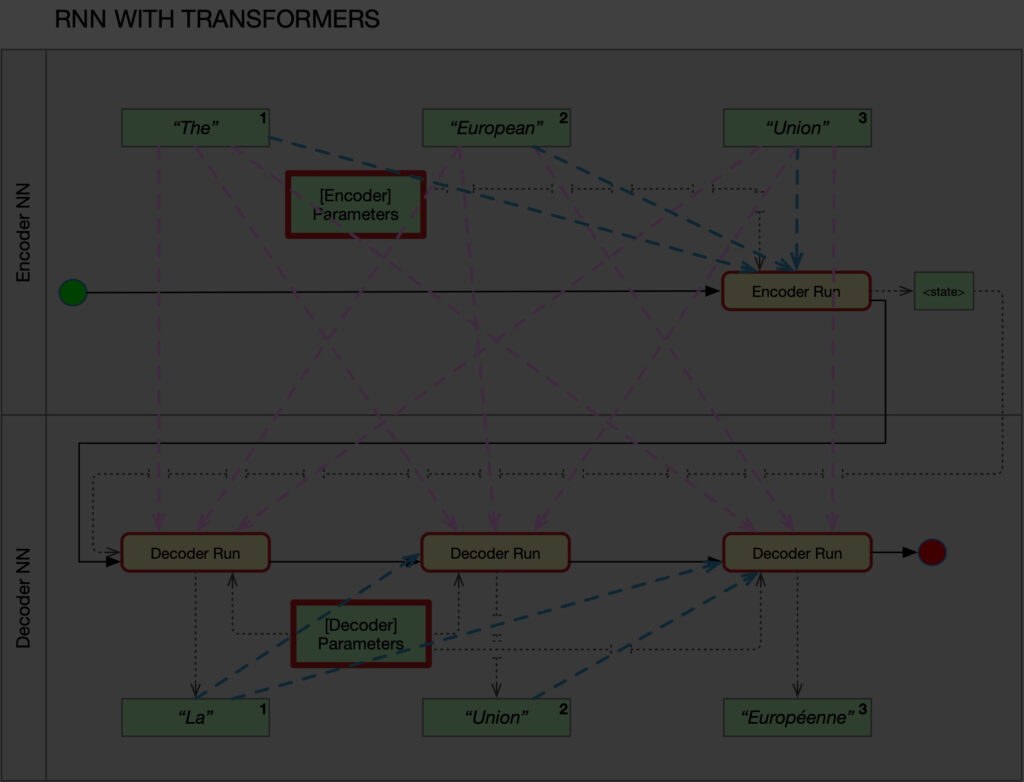
The Truth about ChatGPT and Friends — understand what it really does and what that means
The Truth about ChatGPT and Friends — understand what it really does and what that means

Yes, 2-speed IT is real, but not like you think
Yes, 2-speed IT is real, but not like you think

Is Your Consultant a Parasite?
Is Your Consultant a Parasite?
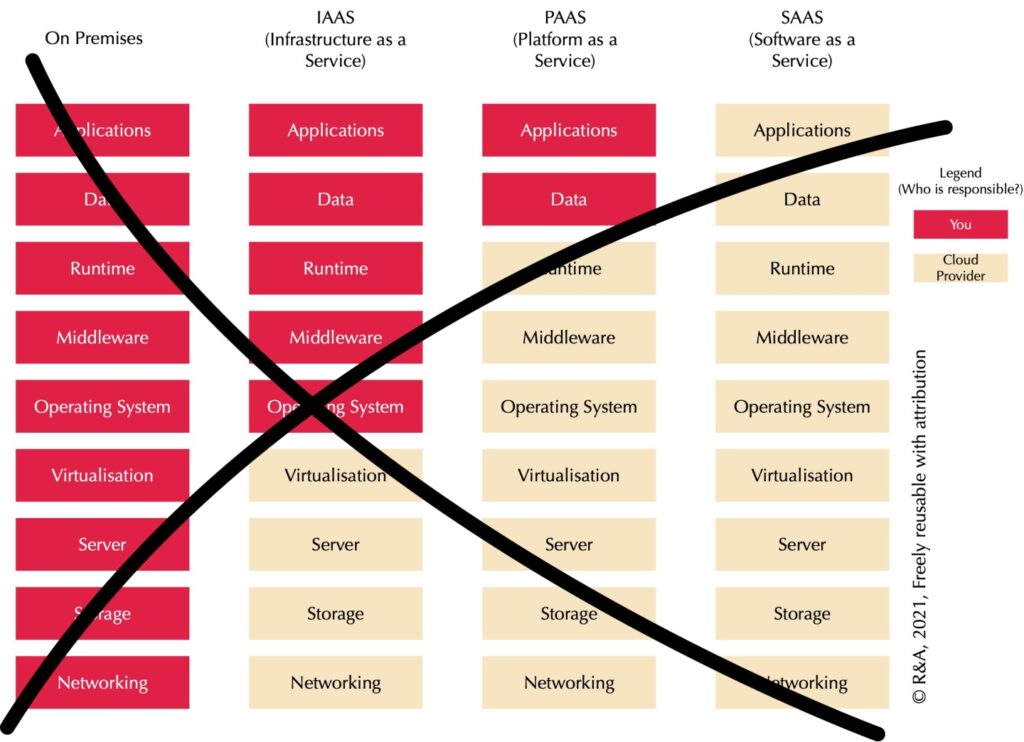
The many lies about reducing complexity part 2: Cloud
The many lies about reducing complexity part 2: Cloud

Gossip, Trust and the Information Revolution
Gossip, Trust and the Information Revolution

IT is us
IT is us
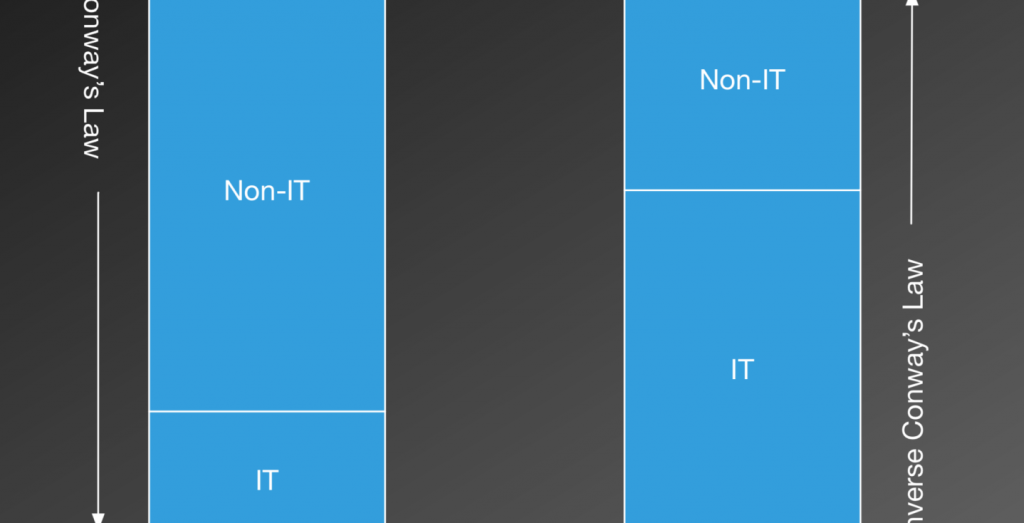
A tipping point in the information revolution
A tipping point in the information revolution

Blame the mathematicians!
Blame the mathematicians!
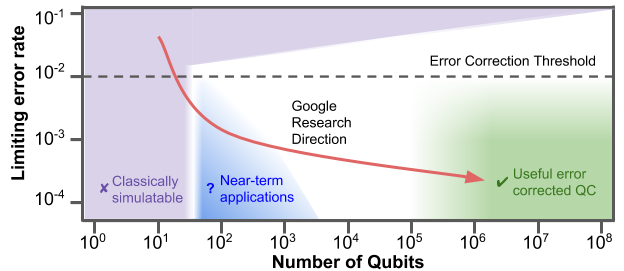
To be and not to be — is that the answer?
To be and not to be — is that the answer?

How Facebook uses more strict privacy rules to invade your privacy even more (and kill WhatsApp in the process)
How Facebook uses more strict privacy rules to invade your privacy even more (and kill WhatsApp in the process)
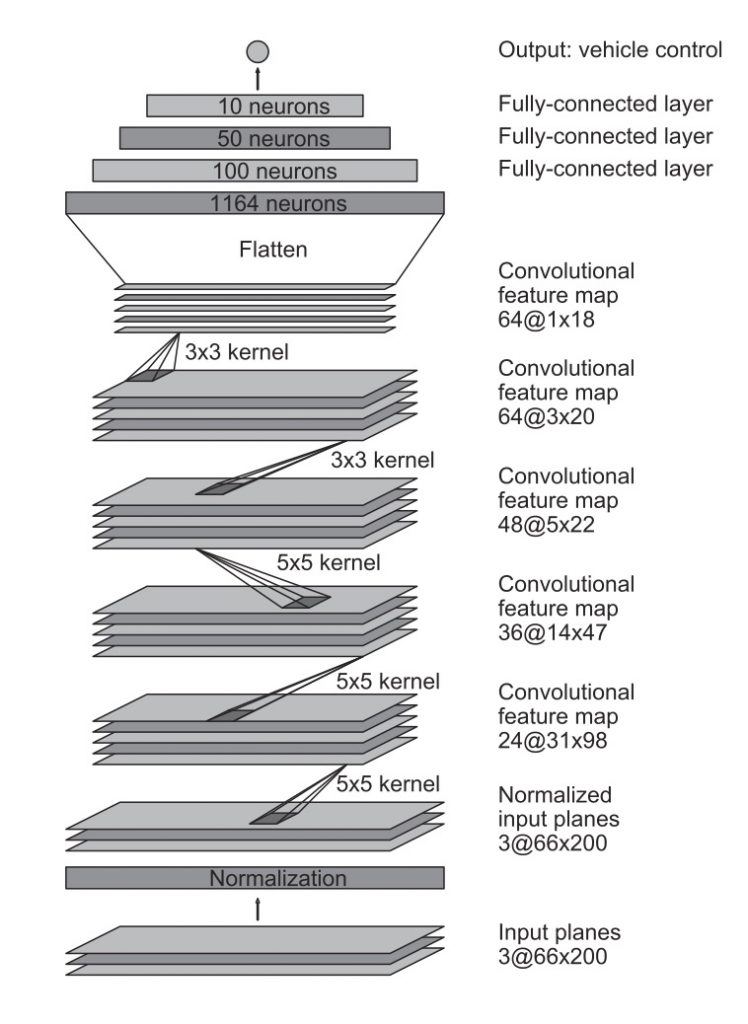
Something is (still) rotten in the kingdom of artificial intelligence
Something is (still) rotten in the kingdom of artificial intelligence
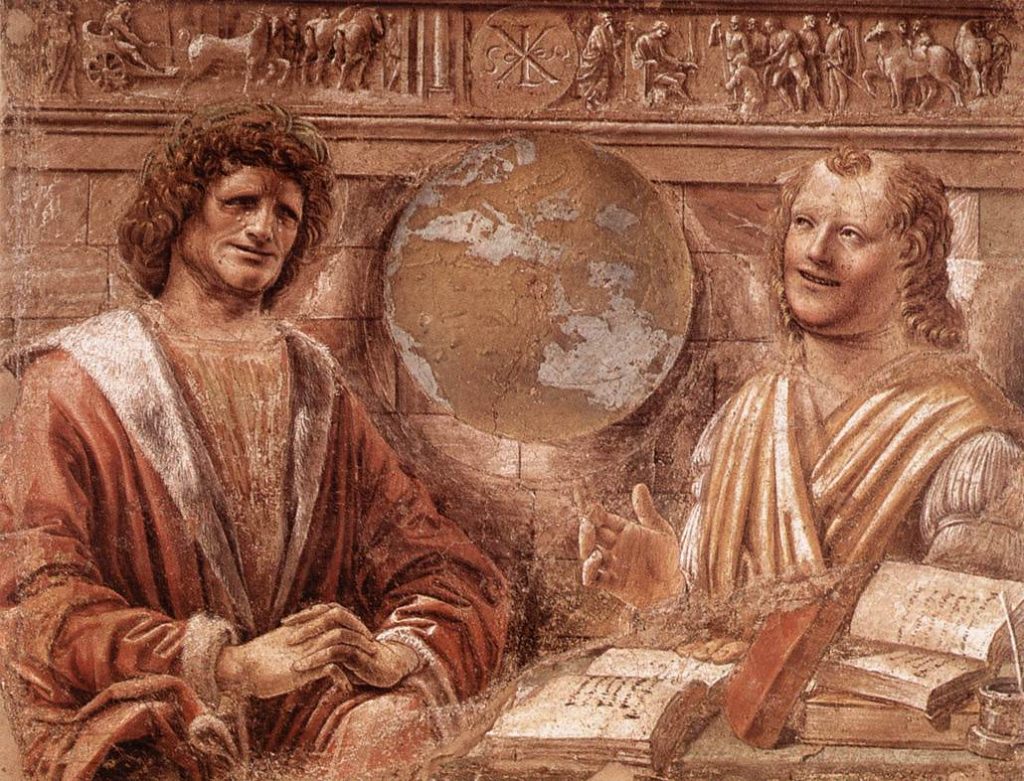
Panta Rhei — How more ‘agile’ can make you less agile
Panta Rhei — How more ‘agile’ can make you less agile
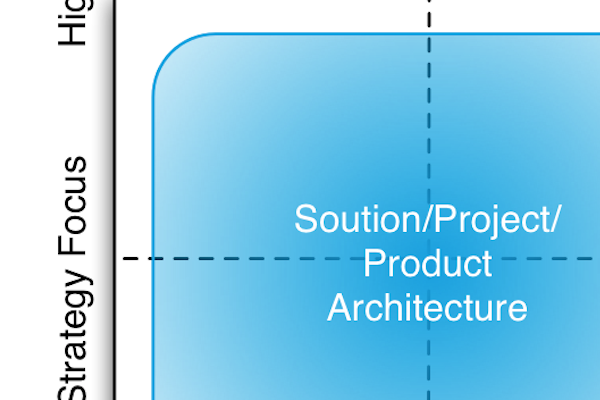
Technical vs. solution vs. enterprise architecture: a matter of scale
Technical vs. solution vs. enterprise architecture: a matter of scale
Agile & Architecture
Agile & Architecture
Vertical Integration versus (horizontal) standardisation
Vertical Integration versus (horizontal) standardisation
Reverse Cloud
Reverse Cloud
The (Forgotten) Other Half of SOA
The (Forgotten) Other Half of SOA
Are You an Enterprise Architect? Really?